


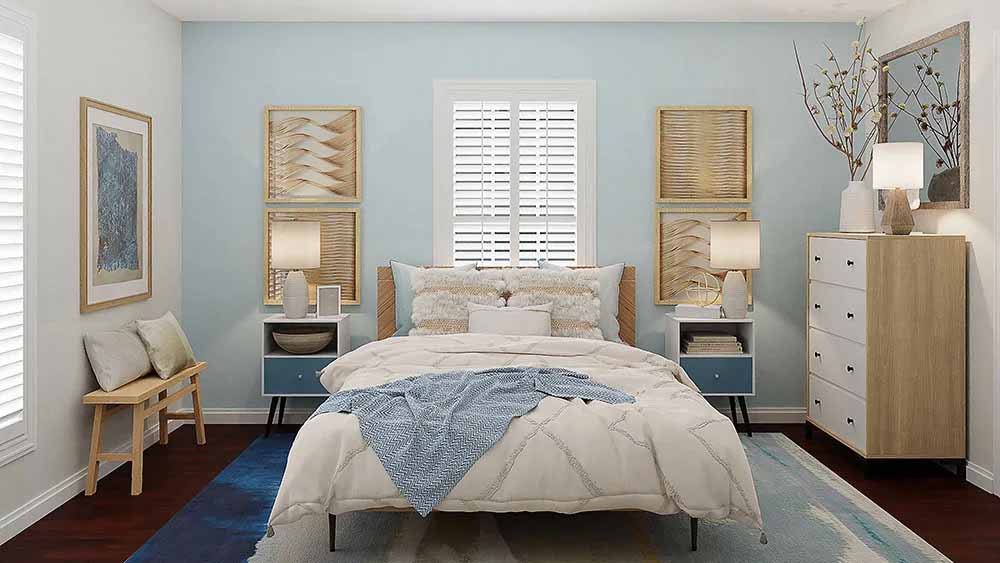

Changing the way your walls look is one of the quickest ways to give a room new life. Freshly painted surfaces can brighten a dull space, while a bold wallpaper pattern can make a statement in seconds. Many homeowners across Aotearoa wrestle with the same question: should you paint or wallpaper? This guide compares the two across preparation, durability and cost, and suggests where each option shines. Often a combination works best. Your decision will come down to personal style, the room’s use and the time you have available.
Proper preparation determines how good your final finish will look. Walls must be sound, smooth and free of dust or grease whether you choose paint or paper, but the amount of effort differs.
The surface often needs to be stripped back to a clean base and primed or lined before hanging begins. Aligning patterns, smoothing out air bubbles and ensuring joins are tight takes patience and practice. Applying wallpaper typically takes more time than painting; however, once installed it can last up to 15 years. Modern wallpapers also hide minor flaws in walls because their thickness and texture disguise hairline cracks and uneven plaster. They add warmth and depth that flat paint can’t provide, and feature papers can create a designer feel in bedrooms and lounges.
Removing wallpaper is rarely fun. Peeling off an older paper may involve chemicals or steamers and careful scraping to avoid damaging plaster. It’s also unwise to paint over existing paper; seams remain visible and moisture from the new paint can loosen the adhesive. If you’re renovating an older home with multiple layers, budget extra time for stripping and wall repairs before applying a fresh finish. Many homeowners choose to bring in professionals for wallpaper hanging because mistakes can be costly.
Painting generally needs less preparation and is a popular choice. Small holes and cracks should be filled, rough areas sanded and, if changing colour drastically, a primer applied. Once the surface is clean and dry, you can roll on paint. Non‑reflective paints conceal flaws well and it’s easy to apply new paint over an existing painted surface. Drying time varies: modern water‑based paints dry in a few hours, while oil‑based products take longer and can smell. Applying paint too heavily can cause runs or sagging, especially on vertical surfaces, so two light coats usually give a better result.
How well your finish holds up depends on the product quality, how well it was applied and the conditions inside the room. Here’s what to expect from each option.
High‑quality wallpaper can outlast paint by several years. Well‑maintained wallpaper can endure for 10-15 years or more. This makes it a cost‑effective option in living rooms or hallways that don’t change often. Wallpaper’s thickness also helps it withstand minor bumps and scuffs, and it can be gently wiped if vinyl‑coated. Nevertheless, paper has limitations. The glue may loosen and edges peel in humid areas such as bathrooms, and some patterns may fade if exposed to direct sunlight. If a section is damaged, repairing it requires matching the pattern exactly and seam lines may still show. Tastes also change; a bold floral you love today might feel dated in a few years.
Paint doesn’t usually last as long as wallpaper but is easier to maintain. Good‑quality interior painting typically looks fresh for 5-7 years, though high‑traffic areas like hallways or children’s rooms may need touch‑ups sooner. A Christchurch guide notes that lower‑cost paints are more prone to chipping, peeling and fading, especially in sunny rooms. It also points out that proper surface preparation and technique are essential for a professional finish. Sunlight can cause bright colours to fade over time, and heat behind stoves or radiators may discolour ordinary paint. If you notice scuffs or scratches, you can simply clean the area and re‑coat it with leftover paint. There are also moisture‑resistant and heat‑resistant paints for kitchens and bathrooms, which resist mould and peeling.
Wallpaper stands up well to light cleaning if vinyl coated; you can wipe it with a damp cloth. However, fabric or textured wallpapers may require vacuuming with a soft brush and careful handling to avoid damage. Painted walls are straightforward: marks can usually be removed with a damp sponge, and if a stain persists, a quick coat of paint solves the problem. Touch‑ups blend easily if you keep some paint from your original job.
Budget plays a big role in deciding between paint and wallpaper. While paint is generally cheaper upfront, wallpaper’s longevity can make it economical in the long run.
Wallpaper installation costs more than painting. The paper itself ranges from affordable textured vinyl to expensive designer prints. Professional installation and purchasing the right tools add to the cost, and mistakes can be expensive if you’re a novice. Despite modern wallpapers being easier to install than older papers, the process still requires precision and removing existing paper can be labour intensive. Because good wallpaper lasts years, the higher initial outlay may balance out if you’re not planning frequent redecorations.
Painting is usually less costly than wallpapering. You need to buy paint, a few basic tools and perhaps drop sheets and painter’s tape. Many homeowners can complete a paint job themselves. Painting is a straightforward process and widely available contractors make it easier to organise. If a room requires frequent changes or you enjoy updating colours, paint’s low cost makes it attractive. However, if walls are in poor condition, you might have additional expenses for plastering or gib stopping before the brush goes near the wall. In wet rooms like bathrooms and laundries, you’ll need specialised paint to resist moisture, which costs more but still less than moisture‑resistant wallpaper.
Beyond practical considerations, the look you want will influence your decision.
Wallpaper offers unrivalled design variety. There are endless patterns, colours and textures, from subtle linen effects to bold geometrics. Wallpaper instantly changes a room’s look and can create subtle or dramatic statements depending on the design. It can add texture to otherwise plain walls, making the room feel more layered and interesting. Feature wallpapers draw the eye and serve as a conversation piece in lounges or dining rooms. Many modern wallpapers are peelable, making them easier to remove than older papers, and there are wipeable options suitable for high‑traffic areas.
Paint offers flexibility and simplicity. It’s ideal for people who like to change their décor every few years or prefer a neutral canvas. You can mix colours, create ombre effects or use painter’s tape to make stripes and geometric patterns without the commitment of wallpaper. Because paint colours are endless, you can match walls to furnishings precisely. If you’re preparing your home for sale, a fresh coat of neutral paint appeals to a broad range of buyers and can make rooms appear larger and brighter. Painting also suits rooms with high humidity, such as bathrooms and kitchens, where wallpaper adhesives may fail.
You don’t have to pick one or the other. Many stylish interiors use both to great effect. A wallpaper feature wall behind a bed or in a dining room creates a focal point, while painted adjacent walls offer a restful backdrop. Chair rails or wainscoting can divide a wall, with paint below and wallpaper above. This approach allows you to enjoy the unique texture of paper without overwhelming the space or your budget. It also gives you the flexibility to update the paint colour around the feature wall whenever you like.
There’s no universal winner in the paint vs wallpaper debate. To choose, consider the room’s function, the level of traffic and humidity, your budget and how often you like to redecorate.
Even though painting is more DIY friendly, achieving a perfect finish still takes skill. Wallpapering demands precision to avoid seams and bubbles. If you’re unsure, the team at QPaint can help. Our interior painting services are designed to transform the inside of your home with careful preparation and high‑quality workmanship. For homeowners wanting an exterior refresh, our exterior painting team in Auckland delivers durable finishes that protect your property from the elements. If moisture control is a concern, such as in bathrooms where wallpaper is unsuitable, explore our waterproofing services for peace of mind. And if you’re still unsure whether paint or wallpaper is best for a particular room, feel free to contact us for expert advice and a no‑obligation quote.


