


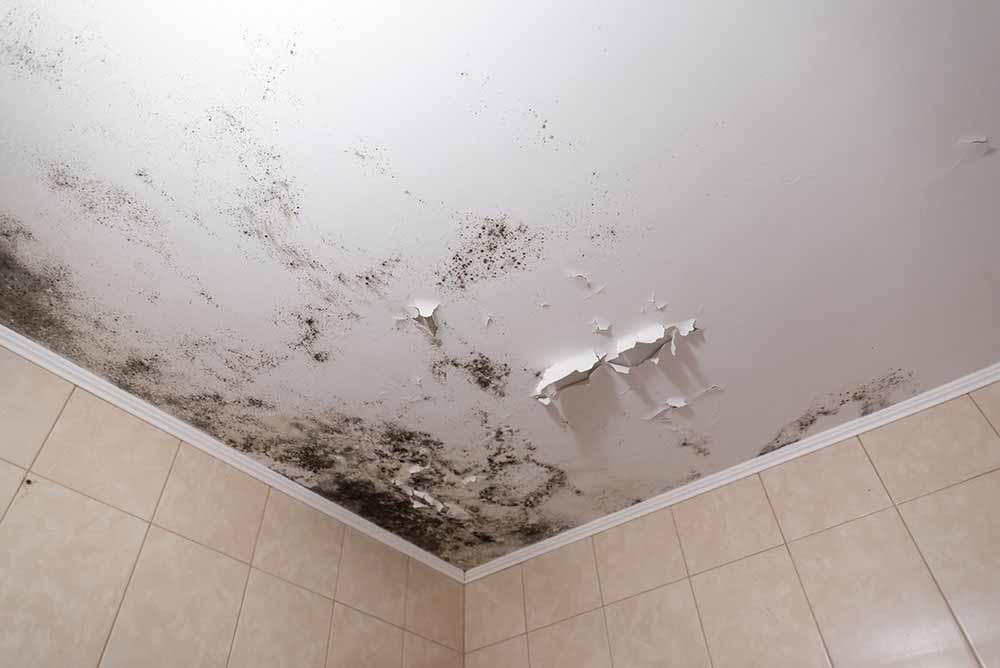

Mould is one of those household problems that starts small and quietly but can quickly become an ugly health hazard. Many Kiwi homes provide perfect conditions for mould to thrive. You might first notice tiny dark specks on the ceiling above the shower or along the grout lines between tiles. Over time these specks grow into fuzzy patches of green, grey, brown or black. Not only is mould unsightly and difficult to remove, but it also releases spores and chemicals that can make you and your whānau sick.
Understanding why mould loves bathrooms and how it affects your well‑being will help you tackle it before it spreads. In this guide we’ll explain why mould grows, what it does to your health and how to get rid of it for good. While a bit of DIY cleaning can help, the most effective solutions often involve professional house painting and ventilation upgrades, areas where the Qualified Painters team can assist.
Mould is a type of fungus that reproduces by releasing microscopic spores into the air. These spores are everywhere in the environment, and they only need moisture and organic matter to settle and begin growing. Bathrooms are ideal breeding grounds because they are warm, humid and often poorly ventilated. Each time you take a shower or run a bath, steam fills the room and condenses on walls, ceilings and fittings. If that moisture doesn’t dry out quickly, mould will find a foothold.
Common areas where bathroom mould starts include:
Early signs of mould include small black or dark brown spots that smear when rubbed, and a persistent musty odour. Don’t ignore these warning signs as mould rarely goes away on its own. Tackling the problem early will save you from a bigger clean‑up later.
Living with mould is more than a visual issue; it can have real impacts on your health. Mould produces allergens, irritants and sometimes toxic substances. When spores become airborne you can inhale them, and they can also come into contact with your skin. Different people react differently, but common health effects include:
Once you’ve found mould, remove it thoroughly before focusing on prevention. Safety comes first. When cleaning mould, wear rubber gloves to protect your hands and a mask to avoid inhaling spores. Open a window or door to ventilate the room while you work. Spores are more easily released when mould dries out, so dampening the area slightly before cleaning helps prevent them becoming airborne.
Here are some effective cleaning methods:
After applying your chosen cleaner, use a stiff brush or coarse cloth to scrub the mould off. For tile grout, an old toothbrush can be very effective. Rinse the area with clean water and wipe it down.
Mould on silicone or caulk is a common problem around baths and showers. Once it penetrates the silicone, cleaning rarely removes it completely. This usually means the wrong type of sealant was used originally. The best solution is to remove and replace the mouldy sealant. Use a utility knife or specialised remover tool to scrape out the old caulk, then apply a fresh bead of bathroom‑grade silicone labelled “mould resistant”. This will help prevent rapid regrowth.
Dispose of cleaning cloths and any removed materials properly. If you wish to reuse cloths, wash them in hot water separately from other laundry. Wash yourself thoroughly after cleaning to remove any spores from your skin.
Once your bathroom is mould‑free, take steps to keep it that way. Mould spores are ubiquitous, so you can’t eliminate them entirely, but you can make the environment inhospitable.
After cleaning and drying surfaces, repaint your bathroom with a high‑quality mould‑resistant paint. Modern bathroom paints contain antimicrobial additives that inhibit mould growth. They’re a great investment because bleach and vinegar may discolour existing paint. Applying a fresh coat of mould‑resistant paint gives your bathroom a clean look and helps seal porous surfaces. For professional advice on colour and finish, check out our Interior Painting Services.
Improving airflow is arguably the most important preventive measure. Mould thrives in stagnant, humid air. To reduce humidity:
Mould prefers dark corners. If your bathroom has a window, keep curtains or blinds open as much as privacy allows. Sunlight’s ultraviolet rays naturally inhibit mould. If privacy is a concern, install an opaque window film that lets light in while obscuring views. For very dark bathrooms, a skylight or “sun tunnel” can dramatically brighten the space and reduce mould. Even leaving the light on for a little while after showering can help surfaces dry.
Beyond ventilation, reduce the amount of moisture left on surfaces:
When renovating or updating your bathroom, select materials designed to resist mould. Choose mould‑resistant silicone for seals, use waterproof wall panels or vinyl cladding in very wet areas, and opt for grout with mould inhibitors. These measures make it harder for mould to gain a foothold.
Don’t wait until you see black patches again. Clean your bathroom regularly, paying special attention to corners, grout lines and around windows. You don’t have to bleach every week, but a mild cleaner will remove soap scum and an occasional vinegar rinse on grout keeps spores at bay. Launder bath mats and towels frequently – damp fabrics can harbour spores (that musty towel smell often indicates mould). Routine cleaning may seem tedious, but it’s far easier than dealing with a full mould infestation.
A dry, clean bathroom isn’t just nicer to use, but it’s better for your health. You’ll notice the difference in air quality when you step into a room free of musty odours and damp surfaces. By killing existing mould, cleaning thoroughly and addressing the root causes of moisture and darkness, you can break the cycle of regrowth.
Sometimes mould is more than a surface problem. It can hide behind walls or develop in places you can’t easily reach. If you have extensive mould or it keeps coming back, it might be time to consult experts. At Qualified Painters, our team can treat mould‑affected surfaces, replace damaged materials and repaint with protective coatings. We can also advise on ventilation upgrades or recommend tradespeople to fix leaks and improve insulation. Getting a professional assessment can save you frustration and ensure the mould is gone for good.
Learn more about our exterior painting and interior painting services, and check out our guide on preparing your home for painting for tips on organising a clean, dry space. For personalised advice, get in touch with Qualified Painters.


